Explore Our Courses
Live, cohort-based courses taught by scholars, artists, and practitioners. Small groups of 10-25 learners. Real dialogue. Deep transformation.
Radical Imagination: Visions for Liberatory Futures
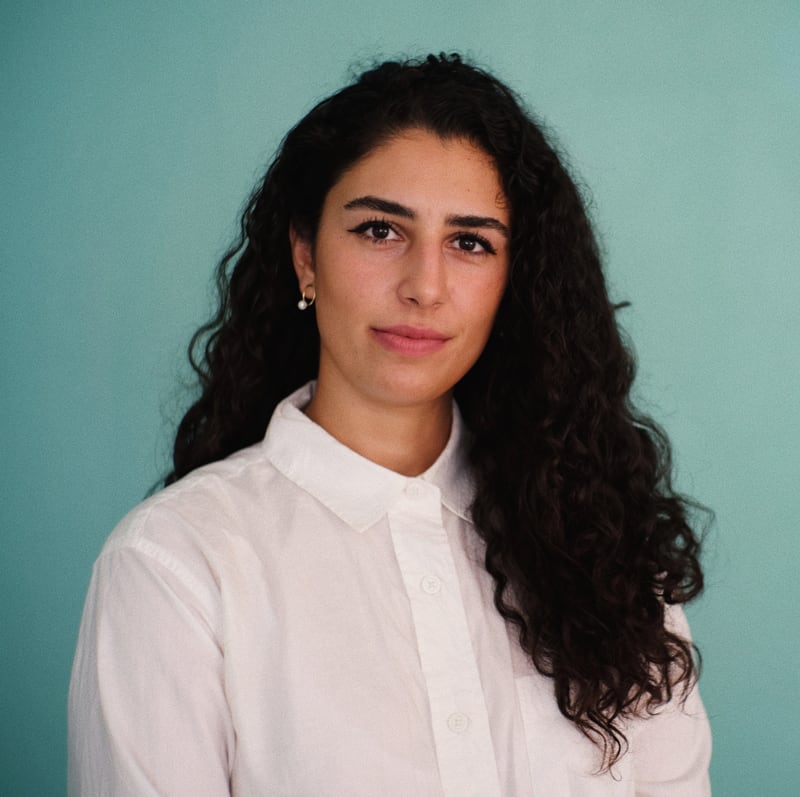
Embark on a transformative two-day journey into radical imagination, discovering tools and methods that cultivate bold visions for liberatory futures and new worlds. This intensive, interactive workshop guides participants through personal mapping exercises, collective visioning sessions, and collaborative worldbuilding practices that center care, liberation, and lived experience. Together, we will co-create radical visions for justice-centered futures, exploring alternative ways of being and doing that challenge current systems and pave the way for the world we're birthing together.

The World on our Plates: Culture, Politics, and Food Systems
This course takes as its starting point something we all need in order to survive - food - and examines how the personal is entwined with the social and the political. It must be clear this is not a course on “clean” eating or dieting - rather, it aims to examine how our individual choices are shaped by the larger food systems around us. Together, we will examine the various systems and processes leading to the food that ends up on our plates - where it comes from, what it is made up of, who is involved in putting it together - to reflect on larger questions around culture, cuisine, and community. Figuratively speaking, we are less interested in the breaking of bread than in the actual baking of bread. That is to say, whilst the symbolic and cultural elements of food are generally known, this course aims to focus squarely on the material dimensions of how food is made. We will consider how questions around labour, migration, race & gender, coloniality, capitalism and the climate crisis are wrapped up in the production of food. Together, we'll consider how our choices around the food we consume are shaped by the larger social and political contexts we are a part of. We'll see how these contexts affect our lives - not just nutritionally, but socially and environmentally as well. Our weekly sessions will culminate in a bread-making workshop led by Josefina Venegas Meza, a professional baker & pastry chef who has worked in some of London's best kitchens. In addition to acquiring a practical and valuable skill, we intend this practise-based session to function as an opportunity to personally reflect on the various topics we've covered together, and how they might apply in our individual lives. You will also receive a comprehensive and exclusive bread-making handbook with all the essential information you might need to refer back to should you wish to continue baking in future.


Creative Activism for Kincentric Justice
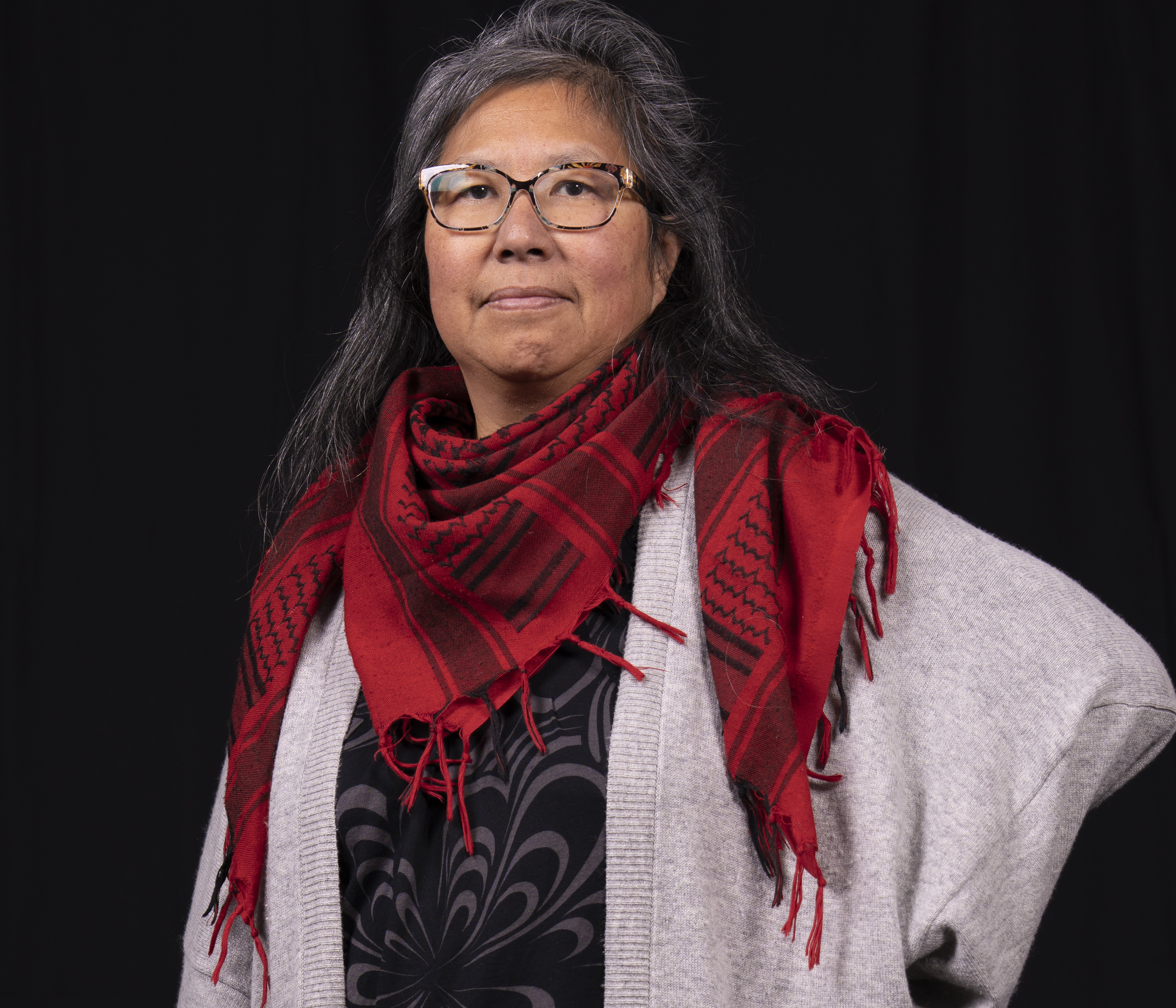
This interdisciplinary course applies artistic and poetic inquiry to international law and earth jurisprudence with (at least) two intentions: 1) to decolonize carceral legal systems—to deconstruct systems of injustice constructed by colonialism, capitalism and the bureaucratic, legislative strategies and policies that uphold and perpetuate coloniality 2) to envision, imagine, speculate and weave webs of co-existence, co-becoming, and pluriverses of mutual thriving of people, land and sea; and to reformulate an ecocentric legal system that nourishes these worlds. The course will inaugurate our collective inquiry with the question, how can the dominant, criminal justice system be utilized to undo the carceral state that made it? And what can move the human-centric legal system towards an ecocentric law? The following seven weeks will be shaped by your questions, which might be: how can I make beauty with our plant kin to heal the wounds of colonialism? What if we sang with whales and flowers and microbes? What new worlds could we bring into being? worlds of mutual respect and relationality? How can I dance with microbes and mycellium to nourish a culture of reciprocity and an ethics of consent? Questions are the medicine that lead us into deep reflection and creation. Crafting questions hones our skills of deep listening. Following fish philosopher Zoe Todd’s call to center Indigenous laws and sovereignty, the course takes an unapologetically anticolonial approach to design and pedagogy/andragogy. The majority of resources will draw on Indigenous knowledge and culture-keepers, BIPOC elders and activists, and Rights of Nature advocates working in solidarity with Indigenous environmental activists. This course emerges from a generative fission between artistic process and jurisprudence to co-create protocols that disinvest from coloniality/modernity and bridge partitions between humans from “the rest of nature.” Students will learn with and participate in ecosocial justice movements through poetics, interdisciplinary arts, social sculpture, legislative action and/or narrative arts.

Designing for Liberation: Tools, Methods, and Pathways for Just Futures
This course is an invitation to imagine and build equitable, liberatory futures – starting with ourselves. Rooted in decolonial, feminist, and community-based knowledge systems, learners will examine their positionality, power, and purpose in today’s world, exploring how personal transformation can lead to systemic change. Unlike traditional leadership or social change programs, this course blends deep self-inquiry with real-world application, integrating inner-led transformation, trauma-informed practices, and the power of storytelling, imagination, and joy as tools for liberation. Together, we move beyond critique and into visionary practice – grounded in care, hope, and solidarity.

Want to teach with us?
We're always looking for educators who are passionate about liberation, justice, and transformation. Set your own topics, pricing, and schedule.
Apply to TeachJoin our mailing list
Stay updated on new courses and events.