Explore Our Courses
Live, cohort-based courses taught by scholars, artists, and practitioners. Small groups of 10-25 learners. Real dialogue. Deep transformation.
Creative Activism for Kincentric Justice
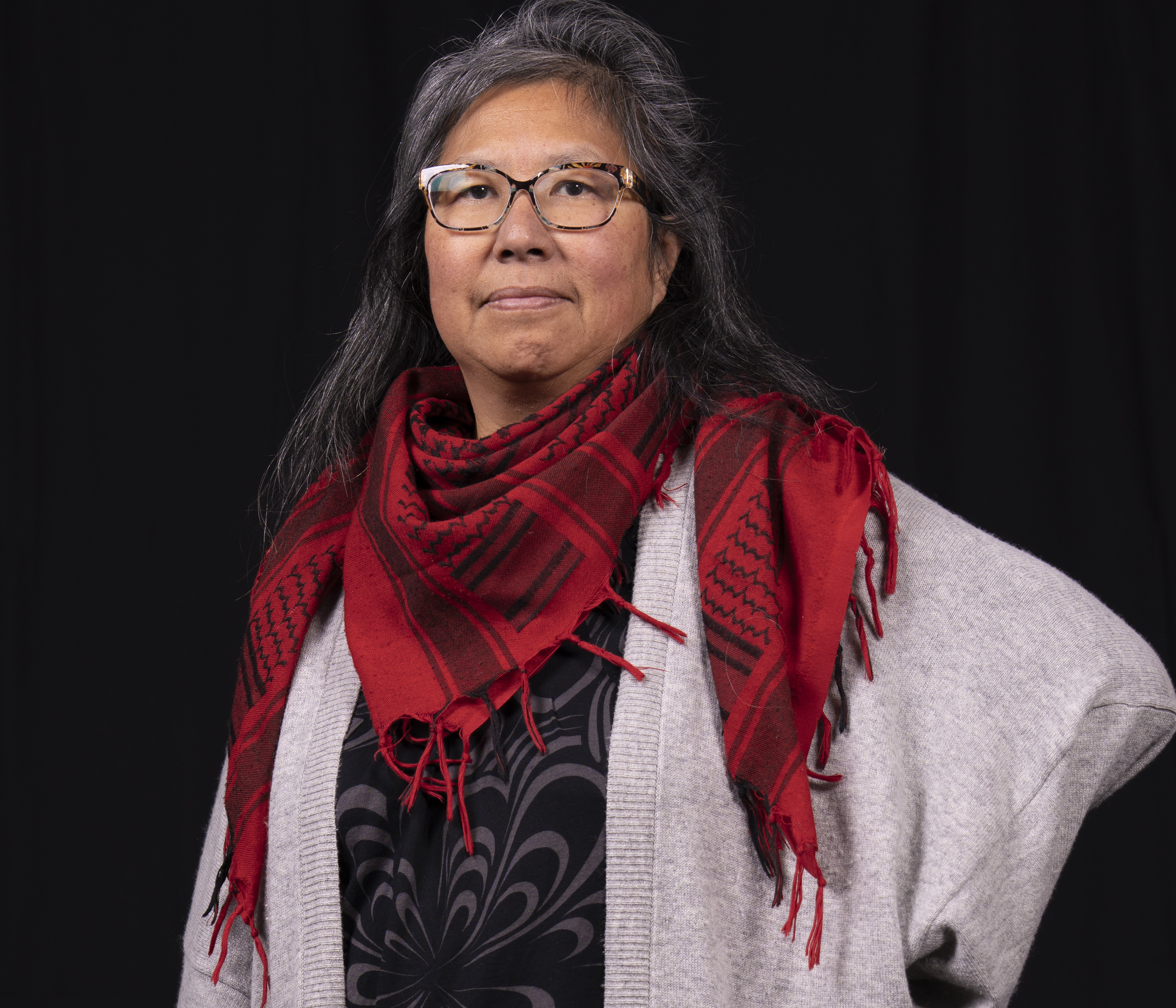
This interdisciplinary course applies artistic and poetic inquiry to international law and earth jurisprudence with (at least) two intentions: 1) to decolonize carceral legal systems—to deconstruct systems of injustice constructed by colonialism, capitalism and the bureaucratic, legislative strategies and policies that uphold and perpetuate coloniality 2) to envision, imagine, speculate and weave webs of co-existence, co-becoming, and pluriverses of mutual thriving of people, land and sea; and to reformulate an ecocentric legal system that nourishes these worlds. The course will inaugurate our collective inquiry with the question, how can the dominant, criminal justice system be utilized to undo the carceral state that made it? And what can move the human-centric legal system towards an ecocentric law? The following seven weeks will be shaped by your questions, which might be: how can I make beauty with our plant kin to heal the wounds of colonialism? What if we sang with whales and flowers and microbes? What new worlds could we bring into being? worlds of mutual respect and relationality? How can I dance with microbes and mycellium to nourish a culture of reciprocity and an ethics of consent? Questions are the medicine that lead us into deep reflection and creation. Crafting questions hones our skills of deep listening. Following fish philosopher Zoe Todd’s call to center Indigenous laws and sovereignty, the course takes an unapologetically anticolonial approach to design and pedagogy/andragogy. The majority of resources will draw on Indigenous knowledge and culture-keepers, BIPOC elders and activists, and Rights of Nature advocates working in solidarity with Indigenous environmental activists. This course emerges from a generative fission between artistic process and jurisprudence to co-create protocols that disinvest from coloniality/modernity and bridge partitions between humans from “the rest of nature.” Students will learn with and participate in ecosocial justice movements through poetics, interdisciplinary arts, social sculpture, legislative action and/or narrative arts.

The Cyberpsychology of AI Creativity
This course explores the evolving relationship between human imagination and machine-generated creativity in the age of artificial intelligence. Starting with a psychological and philosophical grounding in human creativity and imagination, students will journey through the aesthetic, ethical, and labor dimensions of AI's impact on the creative process. Weekly sessions and guided practices blend theory, reflections, and discussions. Some hands-on experimentation with AI tools is explored later in the course. Throughout this course, we ask questions such as: - What defines creativity in a world of synthetic outputs? - Can machines truly co-create, or are they mimicking us? - Who owns creative labor in the age of algorithms? By interrogating these questions, students will leave equipped not just with technical knowledge, but with a critical, ethical, and imaginative lens on the future of creativity. Format: - 8 weeks, 90-minute live sessions - Weekly pre-readings or media viewings - Small group creative exercises - Final project or reflection

Beyond Sustainability: Connection, Wisdom, and Regenerative Leadership
We are living in a time when environmental conversations are often dominated by crisis, urgency, and fear. The narratives we hear most frequently focus on collapse, destruction, and emergency. While these realities cannot be ignored, constantly operating from this place can leave us feeling overwhelmed, drained, and powerless. What if there was another way to engage with this work? This course invites you to explore the environmental and sustainability space from a different perspective, one rooted in empowerment, connection, and renewal rather than stress and overwhelm. Over time, the sustainability field has increasingly been shaped by institutions, corporations, and NGOs. While many important efforts happen within these spaces, the deeper essence of environmental stewardship, the relationship between people, land, culture, and ancestral knowledge, can sometimes get lost. This course creates space to reconnect with that essence. Rather than approaching sustainability purely as an intellectual or technical subject, we will explore how to embody other ways of being that allow us to engage with the environmental field from a place of authenticity, care, and inspiration. Drawing from environmental psychology, behavioral change, storytelling, and ancestral wisdom, participants will explore how inner transformation can lead to more meaningful external impact. When we lead from this place, we are able to contribute to healthier systems while showing up with less guilt, less pressure, and more clarity, purpose, and power. By the end of the course, you will feel more empowered to engage with environmental work from a place of inspiration, grounded in a deeper connection to the land, to community, and to the wisdom that has guided humans for generations. Throughout the course, we will reflect on questions such as: - How can we engage with environmental work from a deeper, more life-affirming place that invites both ourselves and others into the conversation? - How can we move from intellectual understanding to embodied practice in sustainability? - How can personal transformation shape broader transformation in global systems? - How can we design and share initiatives, ideas, or projects that emerge from inspiration and authenticity rather than pressure or urgency? - How can we lead and communicate in ways that reconnect people to the land and to each other?

Want to teach with us?
We're always looking for educators who are passionate about liberation, justice, and transformation. Set your own topics, pricing, and schedule.
Apply to TeachJoin our mailing list
Stay updated on new courses and events.