Imagine. A world without "international" development.
What if "international" development didn't exist and development was simply that?
Course Overview
This course is a deeply personal journey into the ethical and moral dilemmas of my life and career working in international development, in my home country Pakistan as seen through nearly three decades of experience. Using my widely shared blog series Why I Left Development as a foundation, in addition to my subsequent writings on the critique of foreign aid, we will explore the contradictions, questions, and discomforts that arise when the concept of “doing good” collides with Western systems of power.
But this isn’t just my story—it’s an invitation for you to reflect on your own. Whether you’re a practitioner, a social entrepreneur, an artist, or a funder, the course will ask you directly, "Am I part of the problem". Your answer will guide the trajectory of this course to help you move forward.
Through personal reflections, we will interrogate where we began, the compromises we’ve made, and how we might begin again, with greater honesty and alignment, or maybe opt out completely. This course is not for the weak hearted. I will challenge you to look into your personal experiences and reflections about your work in ways that will create discomfort and doubt. But without this, there cannot be a “transformation”. Personally and professionally.
Who Is This Course For?
This course is for practitioners primarily from the international development space, but is also for those who intersect with this space, e.g. social entrepreneurs, investors, writers, artists etc.
This course is not limited to one geographical region or space. It is open to people of all origins, positionality, genders and races at both the giving and receiving end of international development.
What You'll Learn
- Reflect deeply on your own professional and personal journey and challenge themselves and decisions they may have made in the past
- Engage critically with the systems you operate within
- Name and explore the moral dilemmas you have faced in your work
- Come to a realization about where and if, you belong in the space we call “international" development
What's Included
Live Sessions
Interactive classes with your instructor
Session Recordings
Lifetime access to all recordings
Community Access
Connect with fellow learners
Certificate
Proof of course completion
Course Modules
Who am I: The role of personal identity in “International” development
Where did I come from? The origins of “our” role in the “international” development industry.
Who matters the most. But do they? Of “beneficiaries” “receivers” and “partners”.
What have I done? The ethical and moral results of “international” development.
Do I belong? Reckoning with the professional morals and ethics (or lack of them) of the profession.
Where am I going and how? Imagining a world without “international” development.
Participant project presentations (part 1)
Participant project presentations (part 2) Way ahead and feedback.
Real-World Project
Students will be asked to create an alternative real world scenario of one of their past experiences in engaging with international development, in which they DO NOT include themselves, i.e. visualize the experience as managed by those it impacts directly.
About the Instructor
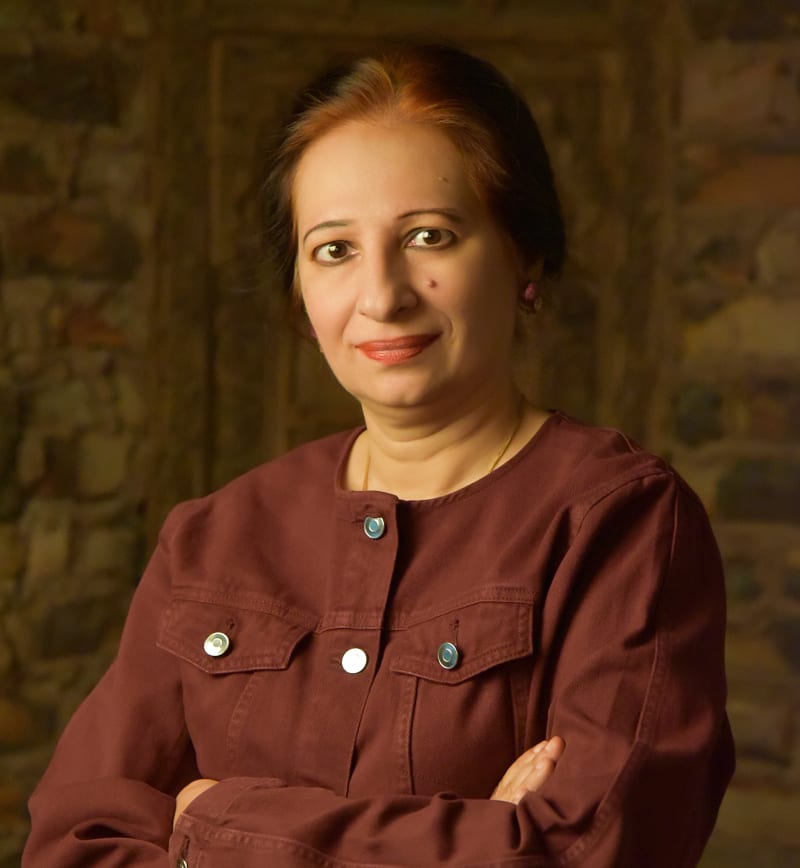
International development practitioner
International development practitioner guiding personal inquiry into global systems and transformative change. Themrise Khan is an independent policy researcher in global development and migration, and co-editor of the book “White Saviorism in International Development. Theories, Practices and Lived Experiences,” published in March 2023 by Daraja Press.
Frequently Asked Questions
$800
Join the waitlist
Sign up to be notified when registration opens.
Live Online
25 students max
8 sessions
120 min each